
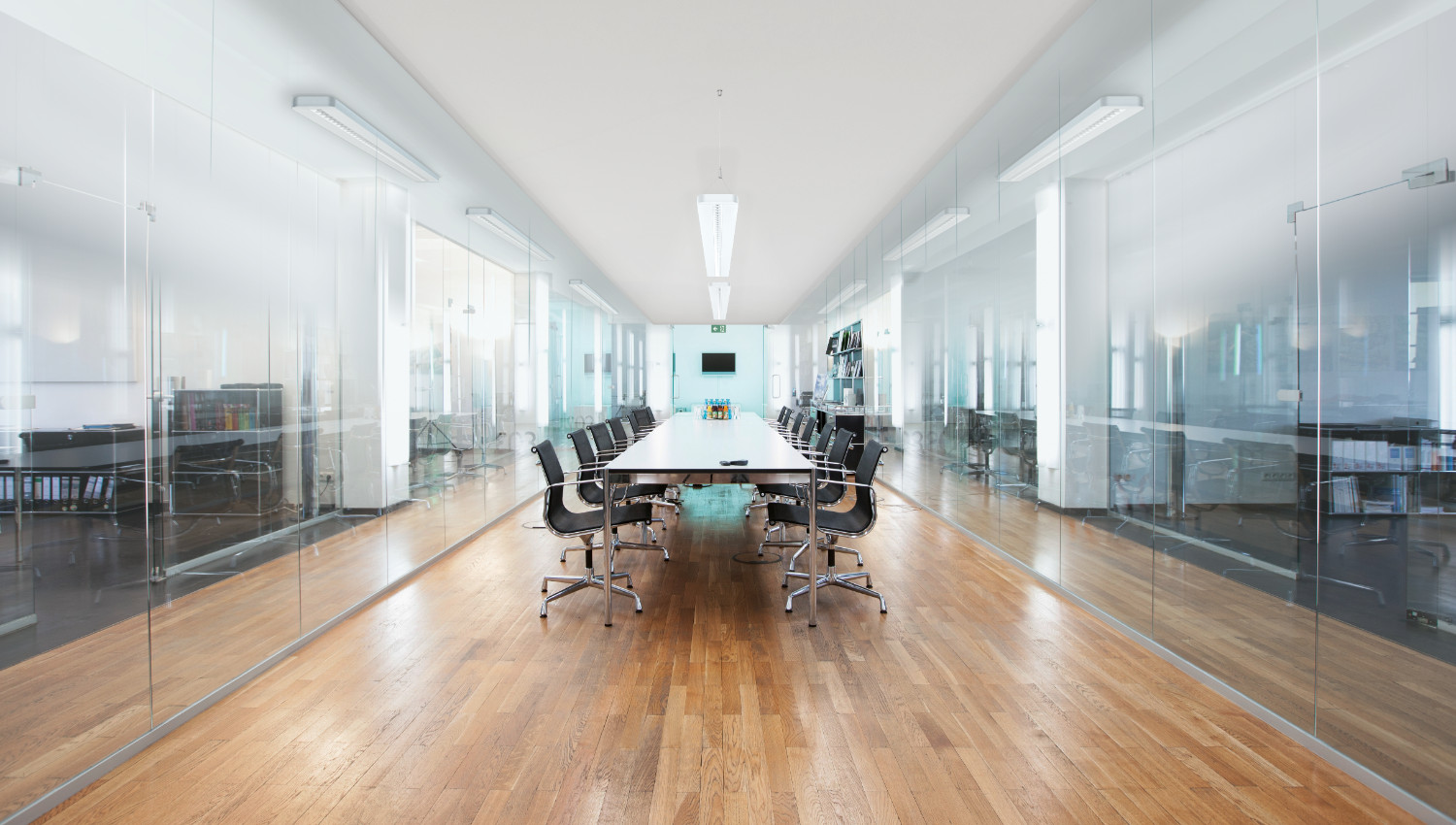
Proper lighting transforms a room from ordinary to extraordinary. While general illumination is essential, adding layers of task and accent lighting creates a more functional and inviting space. One of the most versatile upgrades for enhancing both aesthetics and practicality is under-cabinet lighting.
Whether in kitchens, bathrooms, or workshops, under-cabinet lighting eliminates shadows, highlights work surfaces, and elevates the room's ambiance. This guide explores the benefits, options, and installation tips to help you brighten up your space effectively.
Under-cabinet lighting involves installing fixtures beneath cabinets to illuminate the workspace below. It offers a practical and stylish solution that enhances visibility and highlights architectural features. Its key benefits include improved task lighting for activities like chopping vegetables or reading recipes, effective shadow elimination on countertops, energy efficiency through LED options, and a sleek, modern appeal that adds a contemporary touch to any room.

The kitchen is the #1 spot for under-cabinet lighting, as overhead fixtures often leave countertop "shadow zones," especially under upper cabinets. Brighten the area under cabinets above the cutting board to avoid slicing mistakes.
Bathrooms often suffer from poor lighting around vanities or storage areas. Under-cabinet lighting fixes this while adding a spa-like feel. Install lights beneath cabinets or floating shelves above the sink. This eliminates shadows on the face when shaving, applying makeup, or brushing teeth.
Offices rely on focused task lighting to reduce eye strain, and under-cabinet lighting is a sleek way to enhance workspaces. If the desk has a hutch or is paired with wall-mounted cabinets above, under-cabinet lights shine directly onto the desk surface. This supplements desk lamps and eliminates glare on computer screens.
● Tape lights are best for creating subtle accents and navigating uneven surfaces. They are flexible, easy to install, and can be customized for length, making them ideal for shelves, display cases, or minimalist kitchen setups. However, they provide lower brightness compared to other options and may cause glare on reflective surfaces like granite countertops.
● Puck lights are an excellent choice for focused task lighting and small spaces. Compact and easy to mount, they deliver concentrated light, making them ideal for spotlighting specific areas or decorative highlights. While effective, careful spacing is required to avoid bright spots that can disrupt the visual flow.
● Light bars are designed for continuous and even illumination, offering high brightness and a sleek design. They can be easily linked to cover larger areas, making them a favorite for kitchen counters or workbenches where consistent lighting is essential. While their installation may require more effort, the result is a clean and professional look that complements modern interiors.

Selecting the perfect under-cabinet lights involves considering these factors:
Space Availability: Measure your cabinet dimensions to ensure the lights fit seamlessly. Light bars are ideal for long counters, while puck lights work for smaller areas.
Power Options: Choose between plug-in, battery-operated, or hardwired fixtures based on your layout and preferences. Hardwired installations offer a clean look but may require professional help.
Color Temperature: Warm tones (2700K–3000K) create a cozy vibe, while cool tones (4000–5000K) enhance focus and productivity.
CRI Rating: Opt for a high Color Rendering Index (CRI) to ensure accurate color representation, especially in kitchens and art spaces.
LED technology has revolutionized under-cabinet lighting by offering unmatched efficiency, longevity, and versatility. Using up to 80% less energy than traditional bulbs, LEDs provide significant energy savings while delivering ample brightness. Their impressive lifespan, often exceeding 25,000 hours, minimizes the hassle of frequent replacements, making them a reliable long-term choice. Additionally, LEDs cater to modern lighting needs with customizable options like dimmable features and smart controls, allowing you to create the perfect ambiance for any space.
Installation Tips for Under-Cabinet Lighting
1. Plan Ahead:
Avoid common mistakes and map out your power sources and fixture placements. Before drilling or wiring, clarify these critical details to align the lighting with your needs and space.
Choose the right lighting types. Different under-cabinet lighting options vary in brightness, power source, and installation difficulty. Select one based on your skill level and setup.
| Lighting Type | Power Source | Best For |
|---|---|---|
| LED Strip Lights | Battery or Hardwired | Renters, quick upgrades, curved cabinets |
| LED Puck Lights | Battery or Plug-In | Spotlighting |
| Hardwired LED Bars | Hardwired (120V) | Permanent, seamless kitchen renos |
| Plug-In LED Bars | AC Outlet | Temporary setups, no electrical experience |
Here is a pro tip: Prioritize LED lights because they’re energy-efficient, low heat , and long lasting.
Additionally, map the layout and power source. Mark positions with painter’s tape to visualize the final look before drilling. If using hardwired lights, locate nearby electrical boxes to avoid running wires across visible areas. If using battery or plug-in lights, ensure batteries are accessible for replacement, or plug-ins reach an outlet without tangled cords.
2. Step-by-Step Installation process:
Step 1: Clean the underside of the cabinet with a damp cloth and dry thoroughly.
Step 2: Use a tape measure to mark the center of each fixture. Place a level along the marked line to ensure the fixtures are aligned. For screw-mounted fixtures, drill pilot holes first to avoid splitting the cabinet wood.
Step 3: Install the fixtures
For Peel-and-Stick: Remove the backing from the adhesive pad. Press the fixture firmly against the cabinet underside, aligning with your marks. Hold for 30–60 seconds to set the adhesive.
For Screw-Mounted: Line up the fixture’s mounting holes with the pilot holes. Drive screws into the pilot holes.
For Hardwired: Turn off power to the circuit at the breaker box. Run the fixture’s wires through the cabinet. Connect the fixture’s wires to the electrical box. Mount the fixture with screws and tuck excess wires into the cabinet.
Step 4: Use cord covers to run cords along the cabinet edge or down the back of the cabinet to the outlet. Cut cord covers to length with a utility knife, peel off the adhesive backing, and press them into place.
3. Post-Installation Checks
If shadows appear on the countertop, reposition the fixture closer to the front edge of the cabinet. For LED strips, ensure the light is angled slightly toward the countertop to reduce glare. Use zip ties to bundle excess wires or tuck cords into cord covers since loose wires can get caught on objects or become a fire hazard.
Under-cabinet lighting offers more than illumination—it’s an opportunity to enhance your space's. Whether you're renovating or upgrading, this simple yet impactful addition can transform kitchens, bathrooms, and beyond into well-lit, modern spaces. Explore LED options and installation ideas today to bring brighter, safer, and more efficient lighting to your home or workspace.
FOLLOW US ON:


