
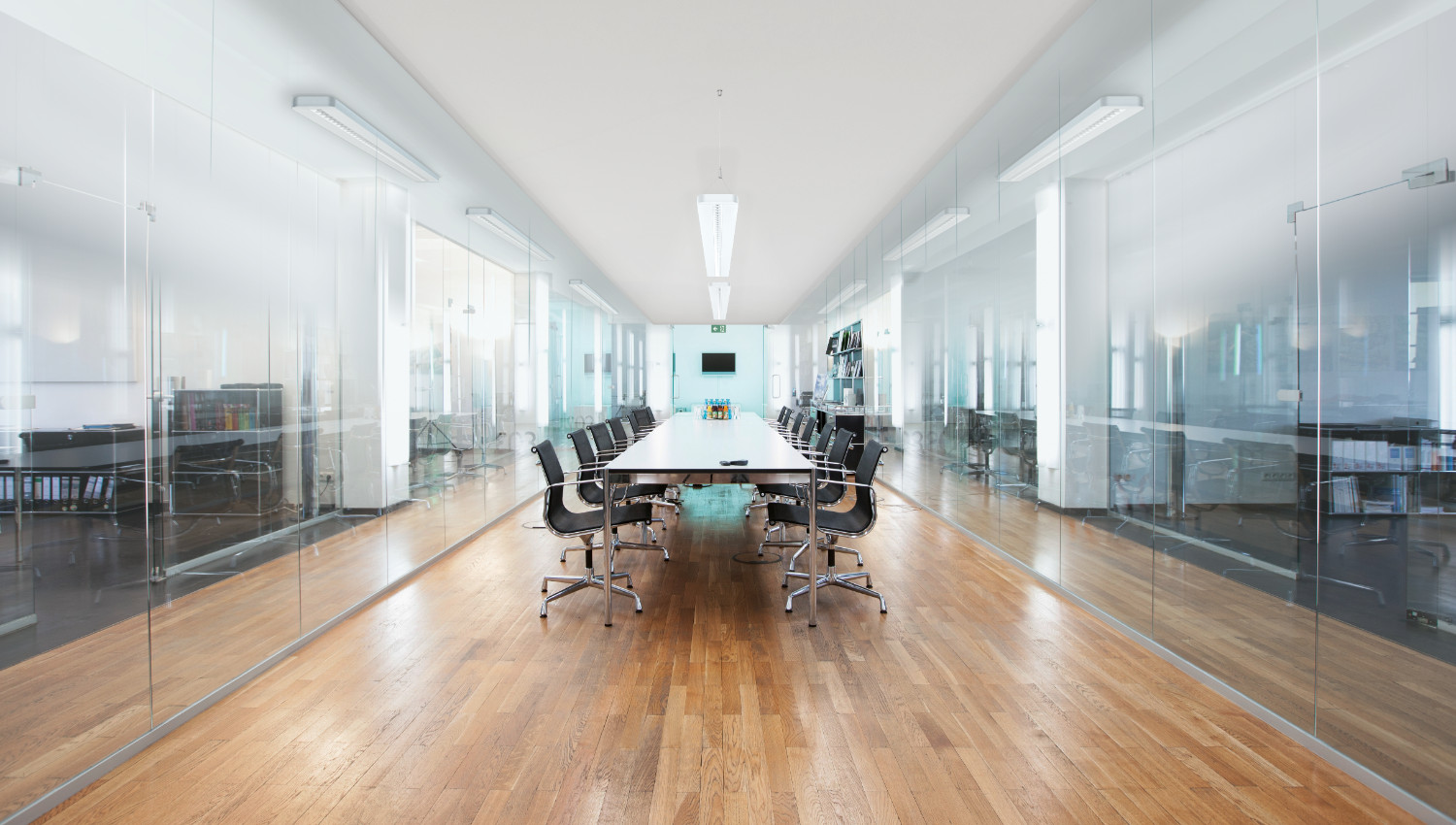
High ceilings, distinctive in contemporary architecture, create a sense of spaciousness and timeless ambiance. However, lighting these elevated spaces presents unique challenges. Whether you need a cozy light for your bedroom or a practical solution for your kitchen, this guide provides inspiration and practical tips to effectively illuminate your high-ceiling space.

High ceilings pose unique lighting challenges, from achieving uniform light distribution to balancing practicality with warmth. Addressing these challenges requires careful design considerations. Traditional configurations struggle to achieve uniform light dispersion, complicated by factors such as light paths and scattering. This complexity underscores the importance of creating a comfortable lighting environment in high-ceiling spaces.
Diverse spaces further intensify the challenge due to varying lighting needs. In high-ceiling environments, designers must carefully allocate light to accommodate specific activities, balancing practicality and the creation of a warm atmosphere. Despite the wide range of available high-ceiling lighting products, limitations persist, including cost concerns and difficulties in meeting nuanced lighting requirements. Achieving a harmonious balance between functionality, aesthetics, and cost remains a crucial consideration for designers and customers alike.
When designing lighting for high ceilings, it's essential to consider the room's purpose and lighting needs. To determine the number of lumens required, start by calculating the room's square footage (length multiplied by width). Then, multiply this number by the appropriate “foot candles” value, which is expressed in lumens per square foot.
Common foot candle values include:
| Room | Recommended Brightness (lm/ft²) |
|---|---|
| Living Room | 10 to 20 lm/ft² |
| Dining Room | 30 to 40 lm/ft² |
| Bedroom | 10 to 20 lm/ft² |
| Bathroom | 70 to 80 lm/ft² |
| Kitchen | 30 to 40 lm/ft² |
| Hallway | 5 to 10 lm/ft² |
These values apply regardless of ceiling height. For example, a 400-square-foot living room needs 4,000 to 8,000 lumens. Since a typical light bulb produces between 1,500 and 1,700 lumens, you'll need about five to six bulbs, with additional fixtures to compensate for the room’s height. Distribute lighting fixtures evenly to ensure comprehensive illumination.
Based on high ceiling considerations, a multi-layered lighting design is well suited to high ceilings, combining pendant lights, recessed fixtures, and accent lighting to create a warm and varied light. Choose fixtures proportional to the room size that also complement the overall design. In addition, using a dimmable lighting system can enhance flexibility, providing brighter light when needed and softer light when relaxing. To maximize natural light, introduce large windows or skylights to make the space feel more open.
Avoid overly complex or bulky fixtures, which may make the space feel crowded. Strive for balance, ensuring that all lighting elements work together harmoniously to create a pleasant atmosphere. By carefully considering these factors, you can design a high ceiling lighting scheme that is both practical and beautiful, bringing your entire space to life.

 Smart lighting systems have become a trend of modern high ceiling lighting. Integrating seamlessly with lighting automation, these systems offer unprecedented control over brightness, color temperature, and even lighting scenes to create more effective layers of lighting. Whether controlled through mobile apps or voice-activated assistants, the rise of smart lighting provides unparalleled convenience and customization for creating dynamic atmospheres.
The LEDVANCE SMART+ WiFi filament bulb family helps you create the perfect living experience with lighting scenes that match the mood. Select our A19, G25 or ST19 with amber or clear finish models with a soft color of 2700K, or 2000K of warm amber light and RGBW color to set the vibe. Group and dim your lights, set schedules, create customized themes and routines, and enjoy all the benefits provided with the free SYLVANIA Smart Wi-Fi app. A perfect fit for small businesses, bars, boutiques, and coffee shops with high ceilings.
The common foot candle values for bedrooms are 10 to 20 lm/ft2, transforming your bedroom into a cozy retreat with the right ceiling lighting. Start by incorporating recessed lights strategically to create a soft, even glow, using dimmer switches to adjust brightness for different activities. Cove lighting around the ceiling's perimeter adds a warm, sophisticated ambiance, perfect for relaxation. For lower ceilings, recessed lighting provides ample light in various styles, from sleek and modern to vintage-inspired.
Additionally, LED strip lights along the ceiling edges or behind the headboard offer a contemporary touch and energy efficiency. Finally, embrace smart lighting systems to control the lights via a mobile app or voice commands, allowing you to program different scenes for activities like reading or winding down, enhancing both convenience and ambiance.

The kitchen is not just a space for culinary endeavors; it's a multifunctional hub that demands strategic lighting for various tasks. The common foot candle values for kitchens are 30 to 40 lm/ft2. To elevate both functionality and style, consider incorporating recessed lighting for a clean and modern look. Strategically placed recessed lights provide even illumination across the kitchen, reducing shadows on countertops and ensuring a well-lit workspace.
For flexibility, track lighting allows you to customize the direction and focus of light, making it perfect for highlighting specific kitchen areas, such as a collection of art or a culinary nook. Additionally, integrating LED strip lighting along the edges of the ceiling or under cabinets adds a modern and energy-efficient touch, creating a contemporary ambiance in the kitchen.

Replacing light bulbs in a high ceiling requires both the right tools and safety precautions. The most common method is to use a tall ladder or scaffolding to reach the fixture, ensuring it is stable and placed on level ground. For ceilings that are especially high, a bulb changer pole with a suction cup or spring-loaded grip attachment can be used to remove and install bulbs without leaving the ground. Always switch off the power to the fixture before replacing the bulb to avoid electrical hazards, and wear protective gloves if handling hot or fragile bulbs. In commercial spaces or very tall ceilings, it may be safer and more efficient to hire a professional with the proper equipment, such as a lift.
Lighting a room with a 20-foot ceiling requires a layered approach to ensure both brightness and balance. Start with ambient lighting by installing chandeliers, pendant lights, or large ceiling-mounted fixtures that distribute light evenly across the space. To avoid shadows and create warmth, add wall sconces or recessed lighting placed strategically around the room. Accent lighting, such as track lights or picture lights, can highlight artwork, architectural features, or tall walls, adding depth and character to the space.
In conclusion, adeptly addressing the lighting challenges in high-ceilinged rooms involves strategic choices such as utilizing narrow beams in recessed lighting, optimizing distance configurations, and using reflector trims. This design process goes beyond practicality, encompassing a balanced approach to ambient, accent, and task lighting.
FOLLOW US ON:


